Service Clubs Membership in Decline
CBC London published an article regarding the declining memberships in service clubs and what some clubs are doing to reverse the trend.
Service Clubs Membership in DeclineCBC London published an article regarding the declining memberships in service clubs and what some clubs are doing to reverse the trend. Service clubs used to be the pillar of communities. |
August is ...Membership and New Club Development MonthMembership is a responsibility that every member shares. Orientation of new members is a club responsibility. Does your club have a new member orientation program? |
Polio Update17-June-2026, World Health Organization 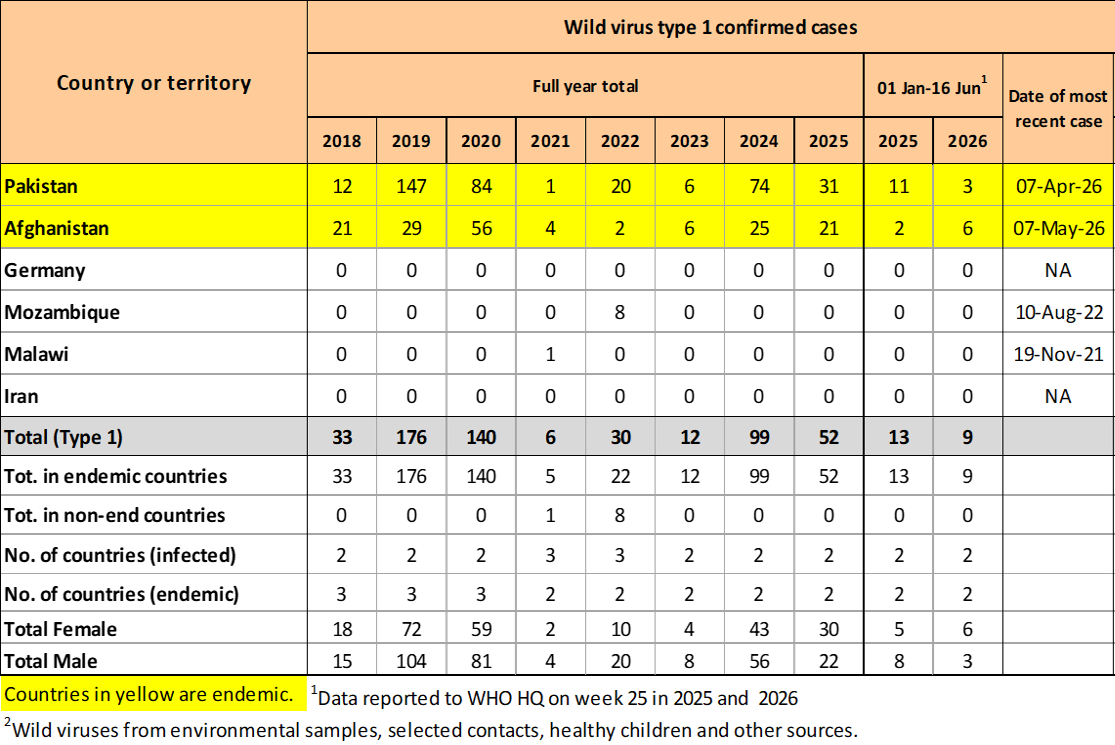 For more information plus links and downloadable files  |
Visioning District 6330 is pleased to have rolled out Vision Facilitation in the fall of 2023. Through the invaluable support of the District Visioning Team, we have already begun the visioning process with many clubs and the response has been very positive. |
|
Meet the Governor (2025-2026)Governor Elect - Jeff Ferweda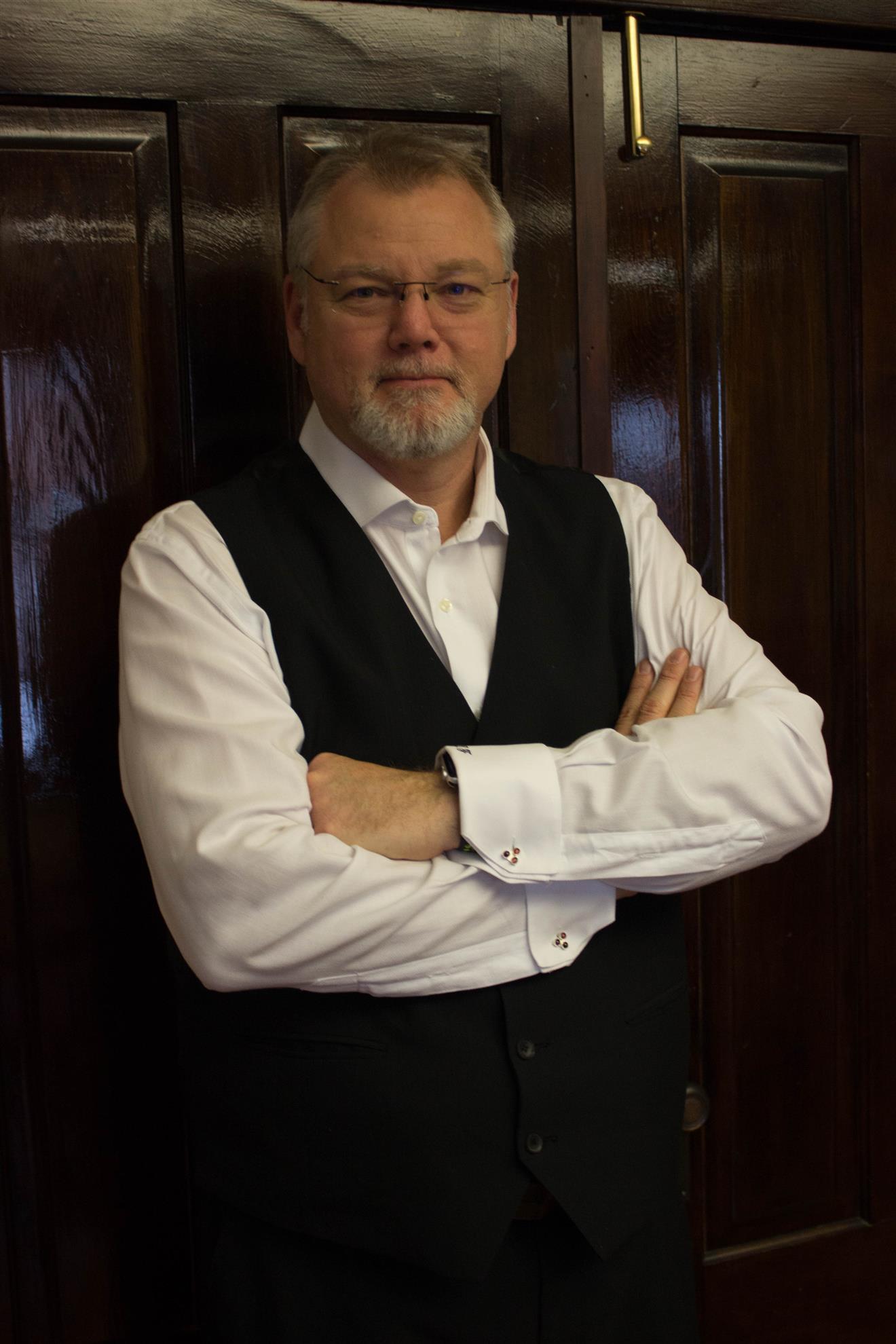 Jeffrey is the president of Sedgewick + Ferweda Architects, a boutique architecture firm based in Flint, Michigan, with a tight-knit team of six. He brings a genuine enthusiasm and passion for design to his role, thriving on the unique challenges that specialized projects demand. Jeffrey’s creative expertise has shaped a wide variety of impactful designs across Flint and the Midwest. His firm’s guiding principle says it all: “Good Design, Good Clients, Great Architecture.” As president since 2001, Jeffrey sets the direction and vision for the firm while supporting his team to bring out their very best. He considers it a true privilege to serve the studio and foster a collaborative environment. Jeffrey is licensed in Michigan, Indiana, Ohio, Illinois, and Minnesota. Community involvement is a core value for Jeffrey and his team. He’s deeply engaged in Rotary as the Assistant District Governor for District 6330, Area 9 (2023-24), Past President of the Genesee Valley Rotary Club, Liaison to the Powers Catholic High School Interact Club, and Membership Chair. Jeffrey is also a proud dad to four children—Morgan, Evan, Jack, and Paige—who share his love for the outdoors. Whether it’s fishing, hunting, golfing, or tubing, they make the most of family time together. Beyond work and family, Jeffrey is active in his church community, serving on the Pastoral Council and Liturgy Commission. He’s also a Catechist, Lector, Eucharistic Minister, and choir member, dedicating his time and talents to his faith. Jeffrey’s commitment to his craft, community, and family shines in everything he does, making him an inspiring leader and role model. |
The Magic of Rotary This year’s theme, The Magic of Rotary, urges members to recognize and amplify the organization’s power to save lives. At the Rotary International Assembly in Orlando, Florida Rotary International President-elect, Stephanie Urchick told incoming district governors “Don’t misunderstand me – we are not going to end polio or bring peace to the world by waving a wand and saying some funny words. It’s up to you. You create the magic with every project completed, every dollar donated, and every new member.” Stephanie said she saw the magic of Rotary on display when she was helping install water filters in the Dominican Republic. “Two boys were watching as dirty water entered the filter, then ran out clean at the other end. “One of the boys grabbed my sleeve and said, ‘Show me the magic again,’” she said. “Obviously, the water filter wasn’t magic. We worked hard to transport those filters, install them, and work with community leaders in the area to maintain them. But those boys knew that easy access to clean water would change their lives. Knowing that I played a small part in that certainly changed my life.” |
Meet The Governor (2024-2025)
|
Rotary GovernanceIn a sense, Rotary can be thought of as a franchise with a central office and branch outlets around the world. When a new Rotary or Rotaract club charters ("franchises") it agrees to abide by the rules and regulations of Rotary International (the "franchisor") and to pay dues to RI for its continuing support of the club. However, unlike a franchise, the rules under which Rotary operates are controlled by it members in a democratic process through their elected representatives. The challenge is the sheer size of Rotary. With more than 1.3 million members worldwide in 46,000 clubs and 529 districts, a system has been developed which integrates universal participation with cost containment and with the ability for the organization to remain quickly adaptable in this rapidly changing world. Rotary's answers are the Council on Legislation which deals with the sweeping issues every three years and the Council on Resolutions which gives feedback to the Rotary Board of Directors every year. The Council on Legislation The COL meets in March tri annually in person in Chicago and on Zoom with the mandate to add to, amend or delete articles from three of the four controlling documents which define the Rotary system of governance,
Council members are required to be Past District Governors, one put forward by each of the 529 Rotary districts. Members serve for a three year term starting the Rotary year (1 July) following the previous COL meeting. The fourth document, the Rotary Club Bylaws, is left to editing by the club as long as the club's changes do not supersede the other three documents above. For convenience, Rotary provides a basic Club Bylaws template document, available on this page, to which the club can add it's own rules as appropriate. A related document, the Manual of Procedure (MOP), is Rotary's interpretation of how all this legislation is to be applied to the clubs. The latest versions of all of these docs are available on this page for download. The Council on Resolutions In order to fill in the 3 year gaps between COL sessions, Rotary created the Council on Resolutions (COR) to allow clubs and districts to draw the Rotary board's attention to improvements and new ideas which the majority of the membership want to see implemented. Clubs, through their district rep can submit resolutions to the Rotary board for change each and every year. These submissions are circulated online and voted upon by the 529 COL/COR reps. Approved resolutions are forwarded to the Rotary Board of Directors for review and action at the board's discretion. How You Can Participate The purpose of this system is to allow every Rotarian a voice as to the rules and regulations under which their clubs operate. The most common situations where a club needs help with rules are: Meeting existing regulations.
Sponsoring new regulations. If a club is convinced through it's search of the pdf legislative documents available on this page, this is the time to contact the district COL rep for assistance. Clubs can submit a Resolution which, if approved by the COR votes will go to the RI board for action; or the club can start the process for a new regulation, an Enactment, and if approved by the COL votes will become a new Rotary bylaw. The deadline for submitting resolutions to the COR is June 30th of each year. The deadline for submitting enactments to the COL is Dec. 31 two years prior to the next COL meeting. For the 2025 COL, this deadline has, unfortunately, already passed. |
|
|

 Katherine Hahn
  In recent years Rotary has created a set of membership categories aimed at helping our clubs grow and, at the same time, meet the needs of the individual Rotarians we wish to attract.